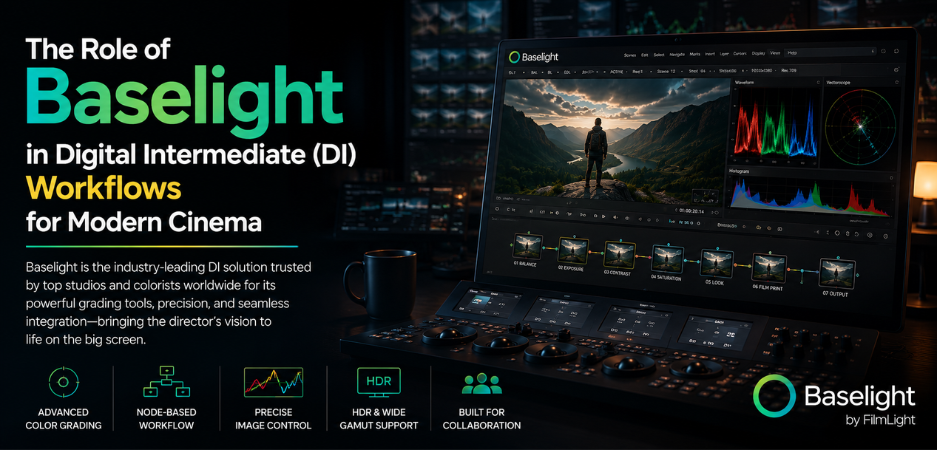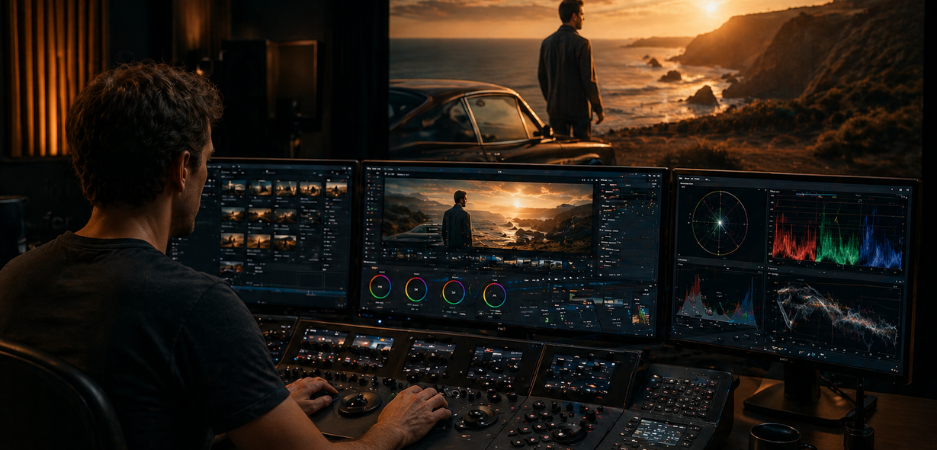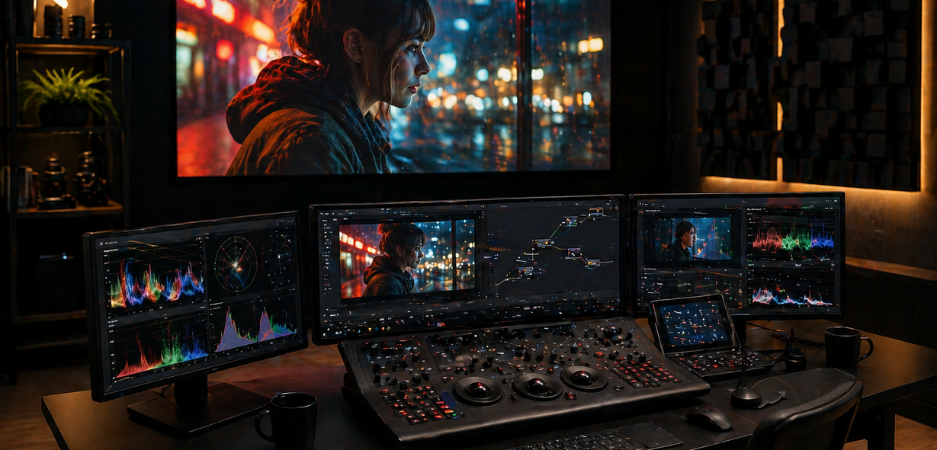
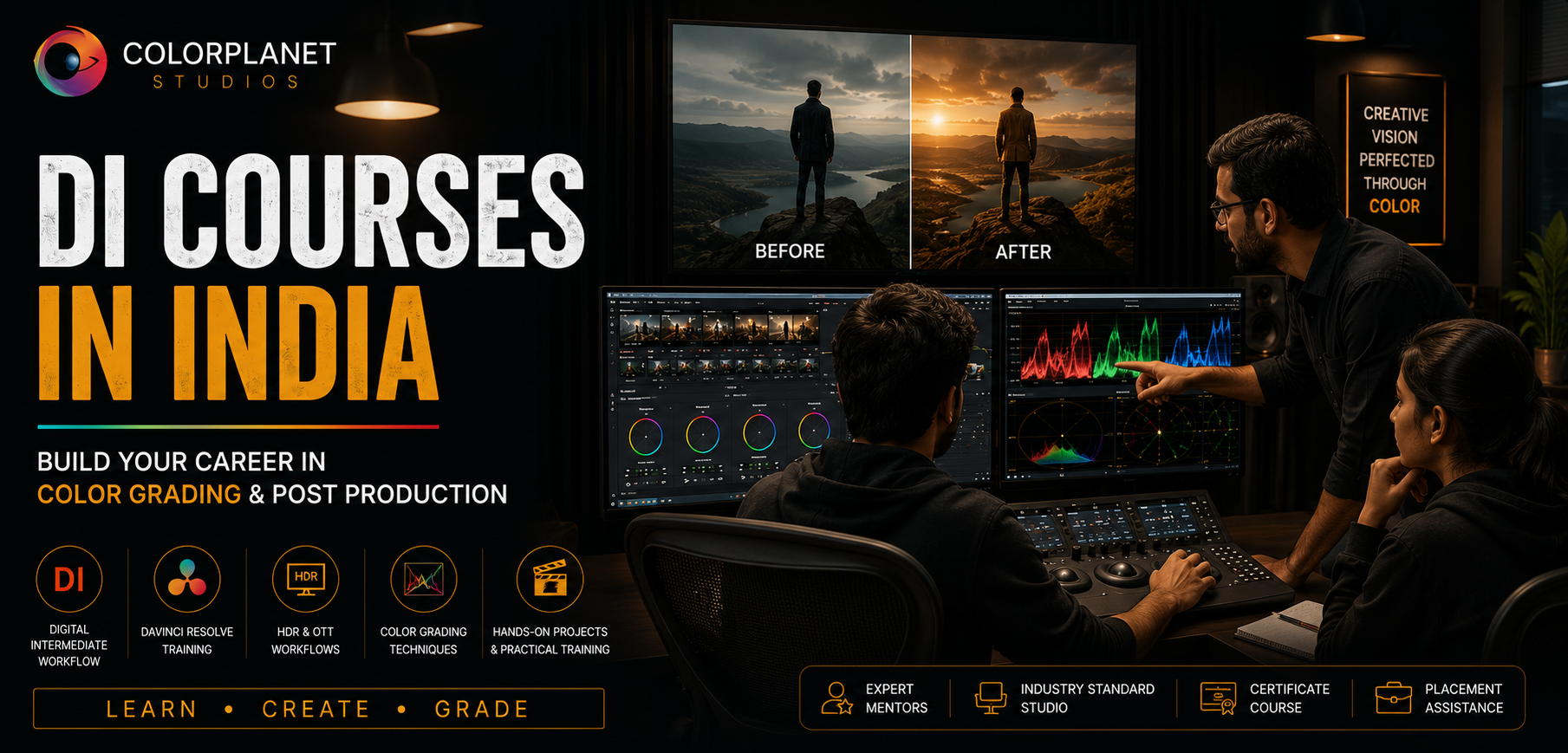
The Indian film and content industry is growing faster than ever. From feature films and OTT series to commercials and music videos, high-quality post-production has become essential for delivering visually compelling content. One of the most sought-after skills in post-production today is Digital Intermediate (DI) and color grading.
If you're passionate about filmmaking, cinematography, or visual storytelling, enrolling in a DI course in India can be the first step toward a rewarding career in the film industry.
What Is Digital Intermediate (DI)?
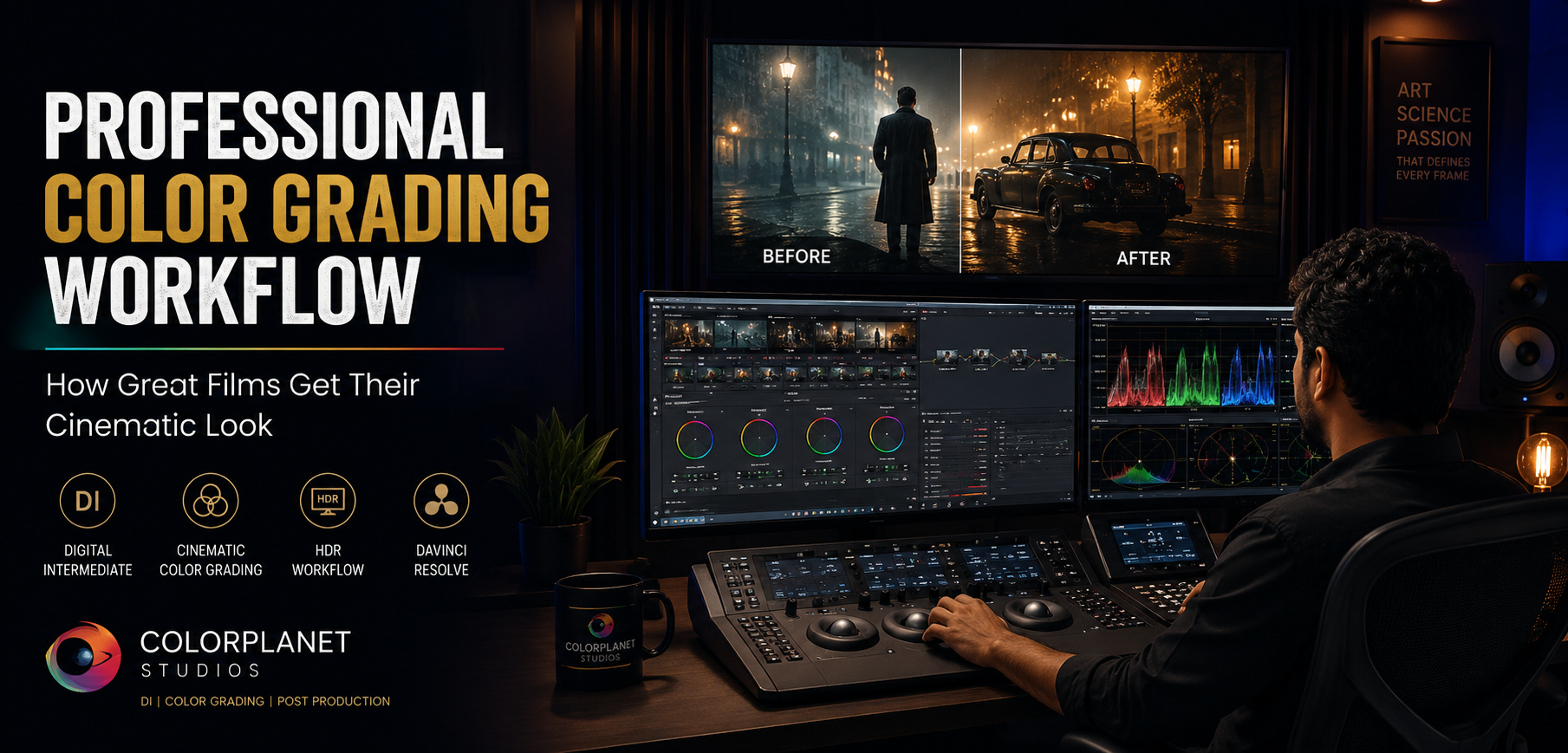
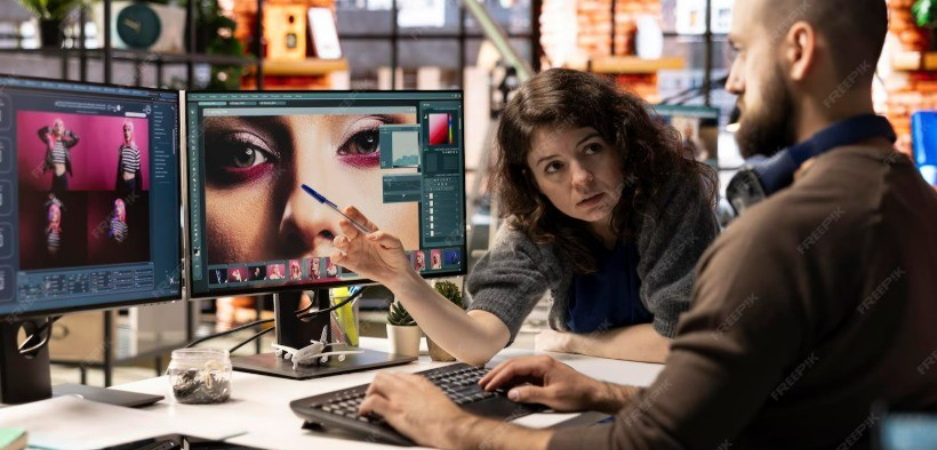
Digital Intermediate, commonly known as DI, is the process of enhancing and refining the visual appearance of a film or video after editing is completed. During this stage, colorists work on color correction, color grading, image enhancement, shot matching, and final mastering to create a consistent cinematic look.
DI plays a crucial role in modern filmmaking because it helps directors and cinematographers achieve their creative vision while ensuring technical quality for cinema, television, and OTT platforms.
Why Learn DI and Color Grading?
The demand for skilled colorists and DI professionals has increased significantly as digital filmmaking continues to expand across India.
Learning DI can help you:
- Build a career in film post-production
- Work with production houses and studios
- Collaborate with cinematographers and directors
- Master industry-standard color grading software
- Create cinematic looks for films and commercials
- Enter the growing OTT and streaming content market
Professionals with strong DI skills are highly valued because color grading directly impacts the emotional and visual quality of a project.
What You Will Learn in a Professional DI Course
A comprehensive DI training program covers both technical and creative aspects of color grading.
Fundamentals of Color Science
Students learn the basics of:
- Color theory
- Color spaces
- Gamma curves
- Dynamic range
- Exposure and contrast management
Understanding these concepts helps create technically accurate and visually appealing images.
Color Correction Techniques
Before creative grading begins, footage must be balanced and corrected. Training includes:
- White balance correction
- Exposure adjustment
- Noise reduction
- Shot matching
- Skin tone correction
Creative Color Grading
This is where the artistic side of DI comes into play.
Students learn how to:
Create cinematic looks
- Develop mood and atmosphere
- Design visual styles
- Enhance storytelling through color
- Work with LUTs and grading nodes
- HDR and OTT Workflows
Modern productions require delivery for multiple platforms. Professional DI courses often include:
- HDR grading
- Dolby Vision workflows
- OTT delivery standards
- Broadcast color compliance
Project-Based Learning
The best way to learn color grading is through practical experience. A quality DI course provides hands-on projects using real-world footage and industry workflows.
Why DaVinci Resolve Is the Industry Standard
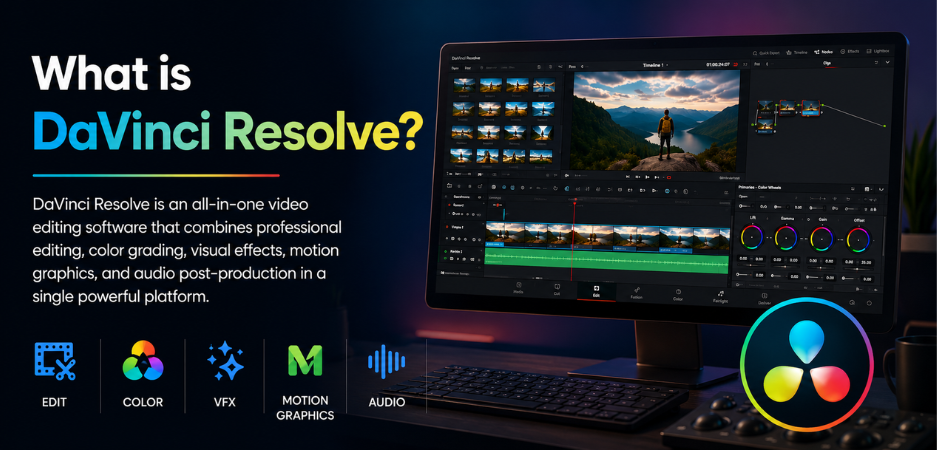
Most professional DI courses focus on DaVinci Resolve because it is widely used across the global film industry.
DaVinci Resolve offers:
- Advanced color grading tools
- HDR workflows
- Node-based grading
- Collaborative post-production features
- High-end finishing capabilities
From independent films to major productions, DaVinci Resolve remains one of the most trusted platforms for professional color grading.
Career Opportunities After Completing a DI Course
Graduates of DI programs can pursue various career paths within the entertainment industry.
Potential roles include:
- Colorist
- DI Artist
- Color Grading Assistant
- Post-Production Specialist
- Online Editor
- Finishing Artist
- Freelance Color Grader
With India's expanding film, television, advertising, and OTT sectors, opportunities continue to grow for trained professionals.
How to Choose the Right DI Course in India
When selecting a training program, consider the following:
Industry-Relevant Curriculum
Choose a course that covers modern color grading workflows, HDR processes, and advanced post-production techniques.
Practical Training
Hands-on experience is essential. Look for programs that provide real project work rather than only theoretical instruction.
Experienced Mentors
Learning from active industry professionals gives students valuable insights into real-world workflows and client expectations.
Professional Studio Environment
Training in a working DI studio helps students understand industry standards and post-production pipelines.
Learn DI at ColorPlanet Studios
At ColorPlanet Studios, we provide practical training designed for aspiring colorists, filmmakers, editors, and post-production professionals.
Our DI training focuses on:
- Professional color grading workflows
- DaVinci Resolve training
- Color correction techniques
- Cinematic look creation
- HDR and OTT workflows
- Real-world project experience
Students gain hands-on exposure to industry-standard tools and professional post-production environments, helping them build the confidence and skills needed to work on commercial and cinematic projects.
Digital Intermediate has become one of the most important stages in modern filmmaking. As the demand for high-quality visual content continues to grow, skilled DI artists and colorists are increasingly sought after across the industry.
Whether you want to work in cinema, advertising, television, or OTT content production, investing in a professional DI course can open the door to exciting career opportunities.
If you're looking to learn DI and color grading in a professional studio environment, ColorPlanet Studios offers industry-focused training that helps transform creative passion into practical expertise.